Understanding the Key Differences in Pump Design
When selecting a centrifugal pump, one important consideration is whether the pump is:
- Close coupled
or - Long coupled
Both designs are widely used in commercial, industrial, marine, and water treatment systems. The correct choice depends on:
- Application requirements
- Maintenance preference
- Space availability
- Operating conditions
What Is a Close Coupled Pump?


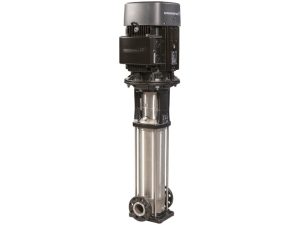
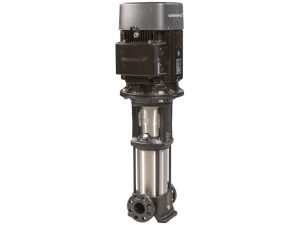
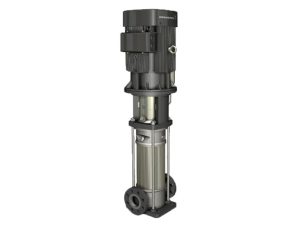
A close coupled pump has:
- The pump impeller mounted directly onto the motor shaft
- No separate coupling between pump and motor
The motor and pump form one compact unit.
Features of Close Coupled Pumps
Compact Design
- Smaller footprint
- Space-saving installation
Lower Initial Cost
- Fewer components
- Simpler construction
Easier Installation
- Minimal alignment required
Common Applications
- Booster systems
- HVAC circulation
- Water transfer
- Light industrial use
Advantages of Close Coupled Pumps
✔ Compact size
✔ Lower cost
✔ Simple installation
✔ Lower vibration due to direct mounting
Limitations of Close Coupled Pumps
❗ Motor replacement may require pump dismantling
❗ Limited flexibility for larger motors
❗ Less suitable for heavy-duty industrial applications
What Is a Long Coupled Pump?


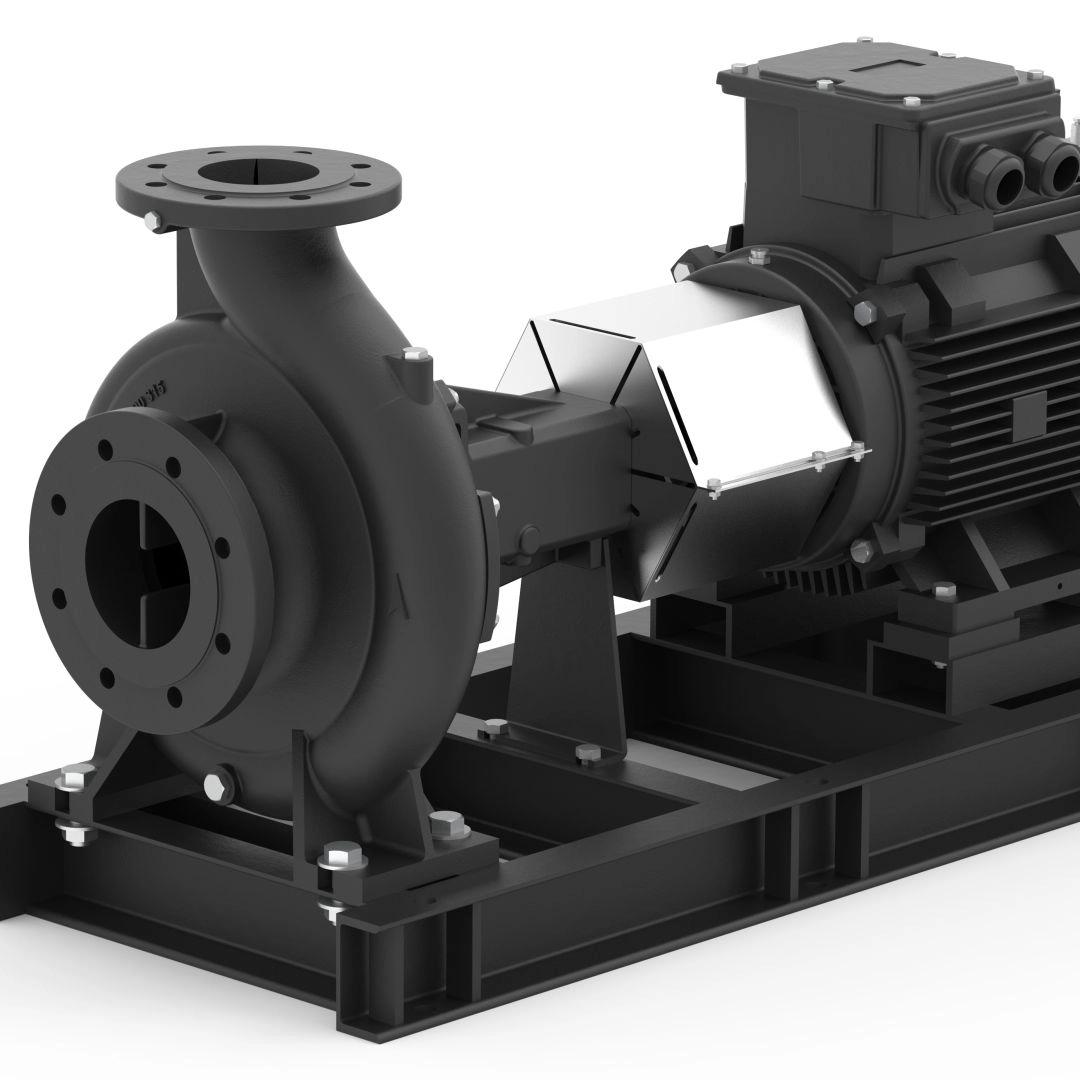
A long coupled pump uses:
- Separate pump and motor
- Flexible coupling connecting both shafts
- Baseplate mounting system
This design allows independent servicing of pump and motor.
Features of Long Coupled Pumps
Separate Pump & Motor
- Flexible motor selection
- Easier maintenance
Heavy-Duty Construction
- Better for large industrial systems
Alignment Required
- Pump and motor alignment is critical
Common Applications
- Industrial plants
- Petrochemical systems
- Marine applications
- Heavy-duty continuous operation
Advantages of Long Coupled Pumps
✔ Easier motor replacement
✔ Better for high-power applications
✔ More suitable for heavy-duty operation
✔ Flexible component selection
Limitations of Long Coupled Pumps
❗ Larger installation space required
❗ Higher installation cost
❗ Requires alignment during installation and maintenance
Key Difference: Close Coupled vs Long Coupled


| Feature | Close Coupled | Long Coupled |
|---|---|---|
| Motor Connection | Direct shaft mounting | Flexible coupling |
| Footprint | Compact | Larger |
| Installation | Easier | More complex |
| Maintenance | Less accessible | Easier servicing |
| Cost | Lower | Higher |
| Alignment | Minimal | Required |
| Heavy-Duty Use | Limited | Excellent |
| Motor Replacement | More difficult | Easier |
Which Pump Type Is Better?
The answer depends on the application.
Choose Close Coupled Pumps When:
✔ Space is limited
✔ Budget-sensitive project
✔ Small to medium systems
✔ Standard building services
Common Examples:
- HVAC pumps
- Booster pumps
- Small transfer pumps
Choose Long Coupled Pumps When:
✔ Continuous heavy-duty operation required
✔ Large motor sizes involved
✔ Easier maintenance is important
✔ Industrial reliability is critical
Common Examples:
- Petrochemical plants
- Marine systems
- Water treatment plants
- Industrial process systems
Applications in Singapore


Close Coupled Pumps
Widely used in:
- Commercial buildings
- HDB systems
- HVAC applications
Long Coupled Pumps
Common in:
- Industrial facilities
- Marine and offshore
- Petrochemical plants
- Water treatment systems
Role of Motor Selection
Motor quality is also critical in both designs.
Common motor brands include:
- TECO Electric & Machinery
- Siemens
- Innomotics
- Grundfos integrated motors
Proper motor matching improves:
- Energy efficiency
- Reliability
- Long-term operating performance
Conclusion
Both close coupled and long coupled pumps have their own advantages.
Close Coupled
Best for:
- Compact systems
- Lower cost
- Building services
Long Coupled
Best for:
- Heavy-duty industrial applications
- Easier maintenance
- Large continuous-duty systems
Correct selection depends on:
- Application
- Duty point
- Maintenance requirements
- Available installation space
Related Articles
Before selecting the right pump system, you may find these guides useful:
Looking for the Right Pump Solution?
We provide expert recommendations tailored to your application, from initial selection to system matching and cost optimisation.
We Support Projects Across:
- Commercial buildings
- Food & Beverages
- Semiconductor
- Industrial facilities
- Marine and offshore sectors
- Petrochemical and manufacturing plants
- Water treatment systems
Whether you need a new installation, replacement pump, or system upgrade, our team ensures reliable and efficient solutions.
👉 Submit your enquiry or requirements here:
https://linktr.ee/pumpsystems