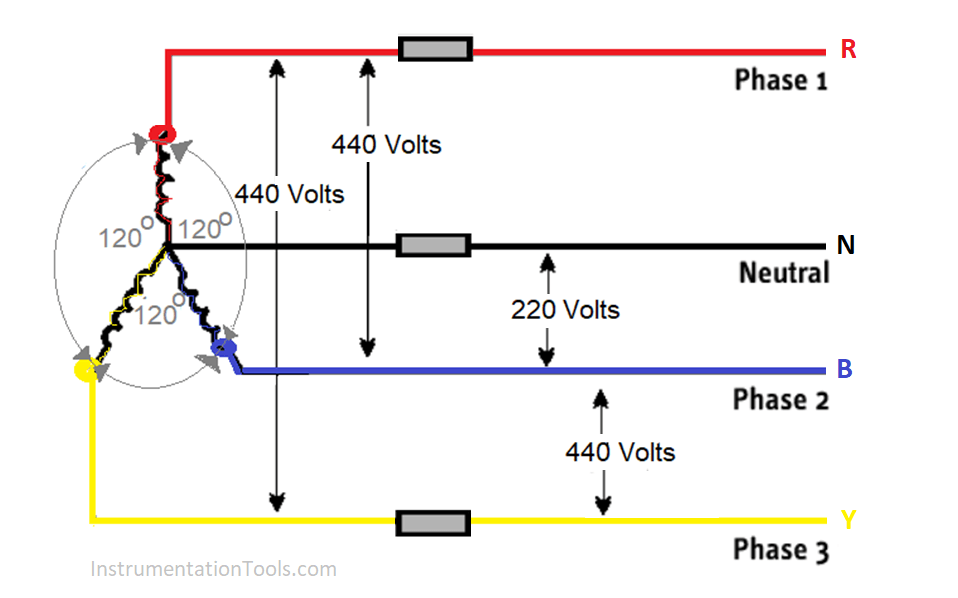
What Do 230V/1Ph/50Hz, 415V/3Ph/50Hz, 220V/3Ph/60Hz, and 440V/3Ph/60Hz Mean?
When selecting pumps, motors, or industrial equipment, understanding electrical power specifications is extremely important.
Different countries use different:
- Voltage standards
- Frequency systems
- Single-phase or three-phase power
Choosing the wrong electrical specification can damage:
- Motors
- Pumps
- Control panels
- Variable speed drives (VFDs)
Understanding Voltage, Phase & Frequency


A typical motor nameplate may show:
Example:
415V / 3Ph / 50Hz
This means:
- 415V = Operating voltage
- 3Ph = Three-phase power
- 50Hz = Electrical frequency
What Is Voltage (V)?
Voltage is the electrical pressure supplied to equipment.
Common voltages include:
- 110V
- 220V
- 230V
- 380V
- 400V
- 415V
- 440V
- 480V
Higher voltage systems are commonly used for:
- Industrial motors
- Large pumps
- Heavy machinery
What Is Single Phase (1Ph)?


Single-phase power is commonly used in:
- Homes
- Small shops
- Light-duty equipment
Common Single-Phase Systems:
- 220V/1Ph/50Hz
- 230V/1Ph/50Hz
- 110V/1Ph/60Hz
Typical Applications:
- Domestic water pumps
- Small booster pumps
- Residential systems
What Is Three Phase (3Ph)?


Three-phase power is used for:
- Industrial facilities
- Commercial buildings
- Large motors and pumps
Advantages:
- More efficient
- Better motor starting torque
- Stable operation for large equipment
Common Applications:
- HVAC systems
- Fire pumps
- Industrial transfer pumps
- Marine pumps
What Is Frequency (Hz)?


Frequency refers to the number of AC cycles per second.
Main Standards:
- 50Hz
- 60Hz
Frequency affects:
- Motor speed
- Pump performance
- Cooling efficiency
Important:
A motor designed for 50Hz may run incorrectly on 60Hz systems and vice versa.
Common Power Systems Around the World
230V / 1Ph / 50Hz


Common Countries:
- Singapore
- Malaysia
- United Kingdom
- Most of Europe
- Australia
Typical Usage:
- Homes
- Offices
- Small pumps and appliances
415V / 3Ph / 50Hz


Common Countries:
- Singapore
- Malaysia
- UK
- Australia
- Many Asian countries
Typical Usage:
- Commercial buildings
- Industrial facilities
- HVAC systems
- Water treatment plants
This is one of the most common industrial power systems in Singapore.
220V / 3Ph / 60Hz


Common Countries:
- Parts of Japan
- South Korea
- Philippines
- Some marine vessels
Typical Usage:
- Industrial systems
- Shipboard equipment
- Specialized machinery
440V / 3Ph / 60Hz

Common Countries / Applications:
- United States industrial systems
- Marine vessels
- Offshore platforms
Typical Usage:
- Heavy industrial motors
- Marine pump systems
- Large compressors
440V/60Hz is extremely common in marine applications.
Why Marine Systems Commonly Use 440V / 60Hz


Marine vessels historically adopted 60Hz systems because:
- American marine influence was strong
- Higher motor speed allowed smaller equipment size
- Better power density for ships
Common Marine Voltages:
- 440V/3Ph/60Hz
- 220V/1Ph/60Hz
Modern ships may also use:
- 690V systems
- Medium voltage systems
Why Singapore & Malaysia Use 50Hz


Singapore and Malaysia inherited much of their electrical standards from British systems.
Thus:
- 50Hz became standard
- 415V/3Ph widely adopted
This remains the dominant standard today.
Historical Difference Between 50Hz & 60Hz


The global split between 50Hz and 60Hz dates back to the early development of electrical grids.
Europe
Adopted 50Hz systems.
United States
Adopted 60Hz systems.
Over time, countries influenced by these regions followed their respective standards.
Why Voltage & Frequency Matter for Pumps


Incorrect voltage or frequency can cause:
- Motor overheating
- Incorrect pump speed
- Seal failure
- Excessive vibration
- Reduced lifespan
Always verify:
- Voltage
- Phase
- Frequency
before pump installation.
Common Pump Applications by Power Type
| Power System | Typical Application |
|---|---|
| 230V/1Ph/50Hz | Residential pumps |
| 415V/3Ph/50Hz | Commercial & industrial pumps |
| 220V/3Ph/60Hz | Specialized industrial & marine |
| 440V/3Ph/60Hz | Marine & offshore systems |
Conclusion
Electrical standards vary across countries and industries.
Understanding:
- Voltage
- Phase
- Frequency
is critical when selecting:
- Pumps
- Motors
- VFD systems
- Industrial equipment
Singapore and Malaysia mainly use:
- 230V/1Ph/50Hz
- 415V/3Ph/50Hz
while marine and offshore industries commonly use:
- 440V/3Ph/60Hz systems.
Correct electrical matching ensures:
- Reliable operation
- Motor protection
- Energy efficiency
- Long-term performance
Related Articles
- Grundfos Product Range Singapore & Marine Market
- Industrial Pump Solutions
- Water Treatment Pump Solutions
- Grundfos History
Product Brands We Support
Our Services
We provide:
- Pump Supply, Service & Maintenance
- Pump replacement and upgrading
- Technical consultation
- Pump system matching and optimisation
We support projects across:
- Commercial buildings
- Food & Beverages
- Semiconductor
- Industrial facilities
- Marine and offshore sectors
- Petrochemical and manufacturing plants
- Water treatment systems
Whether you need a new installation, replacement pump, or system upgrade, our team ensures reliable and efficient solutions.
👉 Submit your enquiry or requirements here:
https://linktr.ee/pumpsystems