
In the marine and offshore industry, two identifiers are used every day to track, verify, and manage ships worldwide: the vessel name and the IMO number. While they may look simple, they serve very different purposes and are both critical for safety, compliance, and operations.
If you are working in marine engineering, procurement, or supplying equipment such as pumps, understanding these identifiers helps avoid costly mistakes.
What Is a Vessel Name?
A vessel name is the official name assigned to a ship by its owner and registered with maritime authorities.


6
Key Characteristics of Vessel Names:
- Displayed on the ship’s hull and stern
- Registered under a flag state
- Can be changed by the owner
- Used for communication and identification at sea
Example:
A ship may be named “Ocean Pioneer”, but this name can change if ownership changes.
Limitation:
Multiple vessels around the world can share the same name, which can lead to confusion.
What Is an IMO Number?
The IMO number is a unique identification number assigned to ships under the International Maritime Organization.

4
Key Characteristics of IMO Numbers:
- A 7-digit permanent number (e.g., IMO 9876543)
- Assigned when the ship is built
- Never changes, even if the vessel is renamed or sold
- Used globally for tracking and compliance
Why IMO Numbers Exist:
The IMO system was introduced to improve maritime safety and prevent fraud or misidentification of ships.
Vessel Name vs IMO Number: Key Differences
| Feature | Vessel Name | IMO Number |
|---|---|---|
| Uniqueness | Not unique | Globally unique |
| Changeable | Yes | No |
| Purpose | Identification and communication | Permanent tracking |
| Assigned by | Owner / Registry | IMO |
| Usage | Day-to-day reference | Legal, compliance, technical |
Why This Matters in Marine Operations
For marine engineers, ship managers, and suppliers, relying on vessel name alone is risky.
1. Avoid Wrong Equipment Supply
Two vessels may have the same name but completely different specifications. Using the IMO number ensures you are referencing the correct ship.
2. Accurate Technical Matching
When supplying systems such as pumps, the IMO number helps retrieve:
- Vessel type
- Engine and system configuration
- Historical data and modifications
3. Compliance and Documentation
IMO numbers are used in:
- Class records
- Inspection reports
- Maintenance logs
- Spare parts tracking
Importance for Pump Supply and Marine Systems
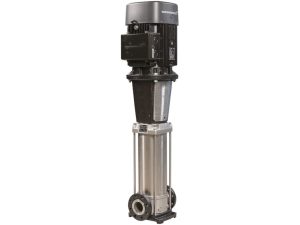
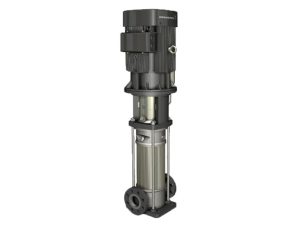
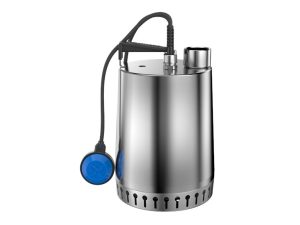
When supplying pumps for marine applications, using the correct vessel identification is critical.
Common Scenarios:
- Replacement of engine room pumps
- Ballast and bilge system upgrades
- Firefighting pump systems
- Cooling and circulation pumps
A wrong identification can lead to:
- Incorrect pump sizing
- Installation issues
- Delays and costly rework
Best Practice: Always Use IMO Number
In marine projects, always:
- Request IMO number from the client
- Cross-check vessel details before quotation
- Use IMO number in all technical documentation
This ensures accuracy and avoids operational risks.
Conclusion
While vessel names are useful for general identification, they are not reliable for technical and commercial purposes. The IMO number is the true identity of a ship, providing a permanent and unique reference across its entire lifespan.
For anyone involved in marine supply, engineering, or facility support, using the IMO number is not optional. It is essential.
Need Support for Marine Pump Systems?
We support marine operators and ship managers with:
- Pump selection based on vessel requirements
- Replacement and upgrade solutions
- Fast supply for urgent breakdowns
Share your vessel IMO number, and we can help you identify the right pump system quickly and accurately.
👉 Submit your enquiry or requirements here:
https://linktr.ee/pumpsystems