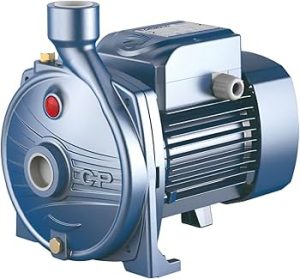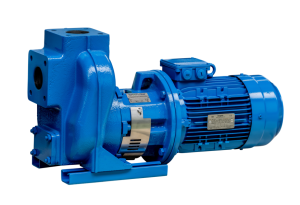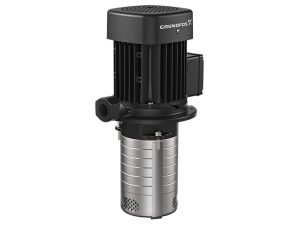

Mechanical seals are one of the most critical components in centrifugal pumps. They help prevent liquid leakage between the rotating pump shaft and stationary pump housing while maintaining reliable pump performance.
From a Grundfos pump perspective, proper mechanical seal selection is essential for improving pump reliability, reducing maintenance costs, and extending equipment lifespan in industrial, commercial, marine, and water treatment systems.
This guide explains how mechanical seals work, the common types used in centrifugal pumps, and how to select the correct seal for different applications.
What Is a Mechanical Seal?
A mechanical seal is a sealing device installed around the rotating shaft of a pump to prevent fluid leakage during operation.
Unlike traditional packing seals, mechanical seals provide:
- Better leakage control
- Reduced friction losses
- Improved efficiency
- Lower maintenance requirements
- Longer operational lifespan
Mechanical seals are widely used in centrifugal pumps handling:
- Clean water
- Chemicals
- Wastewater
- Oils
- Industrial fluids
- High-temperature liquids
How Does a Mechanical Seal Work?
A mechanical seal operates using two primary sealing faces:
- One rotating seal face attached to the shaft
- One stationary seal face fixed to the pump housing
During operation:
- The rotating face spins with the shaft
- The stationary face remains fixed
- Both faces maintain controlled contact
- A thin fluid film lubricates the seal surfaces
This design minimises leakage while allowing smooth shaft rotation.
Main Components of a Mechanical Seal
A typical centrifugal pump mechanical seal includes:
- Rotating seal ring
- Stationary seal ring
- Elastomer components
- Springs
- Metal hardware
Seal materials vary depending on fluid compatibility and operating conditions.
Why Mechanical Seals Are Important
Mechanical seals help provide:
- Reduced fluid leakage
- Improved pump reliability
- Lower maintenance costs
- Reduced environmental contamination
- Improved operational safety
- Longer pump lifespan
Improper seal selection may lead to:
- Leakage
- Seal overheating
- Pump downtime
- Shaft damage
- Increased maintenance costs
Types of Mechanical Seals for Centrifugal Pumps
1. Single Mechanical Seal
Single mechanical seals are the most commonly used seal type in centrifugal pumps.
Features
- One set of seal faces
- Simple seal design
- Cost-effective solution
- Suitable for clean liquids
Typical Applications
- Clean water systems
- HVAC circulation
- Pressure boosting systems
- Industrial water transfer
Grundfos CR and CM series commonly use single mechanical seal configurations for clean water applications.
2. Double Mechanical Seal
Double mechanical seals use two sets of seal faces with a barrier fluid between them.
Advantages
- Improved leakage protection
- Better chemical handling capability
- Suitable for hazardous fluids
- Enhanced operational safety
Typical Applications
- Chemical processing
- Petrochemical plants
- Toxic fluid handling
- High-temperature applications
Double seals are commonly used in industrial process systems requiring maximum leakage control.
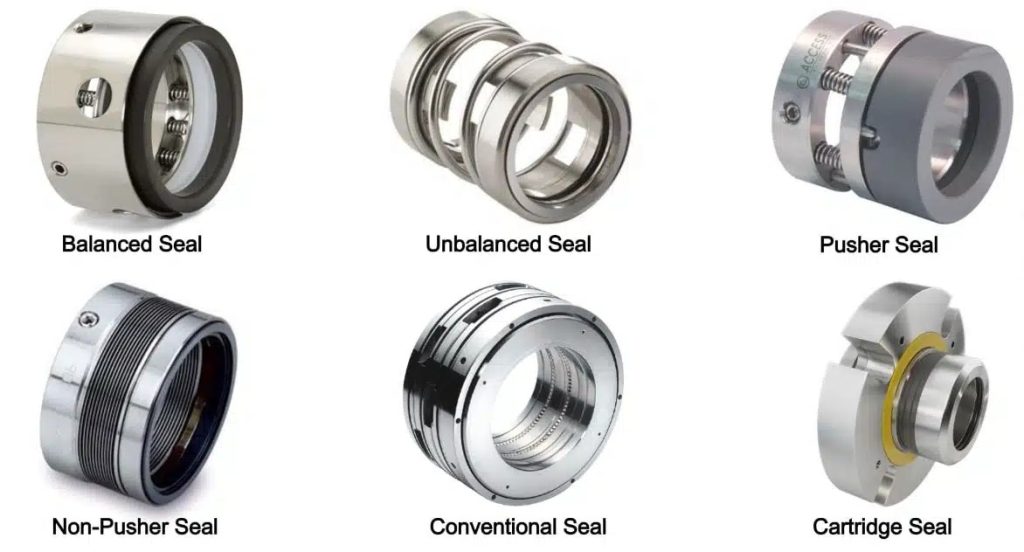
3. Cartridge Mechanical Seal
Cartridge seals are pre-assembled seal units designed for easier installation and maintenance.
Benefits
- Faster installation
- Reduced installation errors
- Improved maintenance efficiency
- Reliable seal alignment
Common Applications
- Industrial process pumps
- Water treatment systems
- Manufacturing facilities
4. Balanced Mechanical Seal
Balanced seals are designed to reduce seal face loading under high-pressure conditions.
Advantages
- Better high-pressure performance
- Reduced heat generation
- Improved seal lifespan
- Lower wear rates
Applications
- High-pressure centrifugal pumps
- Boiler feed systems
- Industrial multistage pumps
5. Unbalanced Mechanical Seal
Unbalanced seals are simpler seal designs suitable for lower-pressure applications.
Features
- Lower initial cost
- Simple construction
- Suitable for clean fluids
Applications
- General water transfer
- Utility systems
- Low-pressure industrial pumps
Common Mechanical Seal Materials
Seal material selection depends on fluid compatibility and operating conditions.
Carbon vs Silicon Carbide
Common for clean water and general industrial applications.
Tungsten Carbide
Suitable for abrasive liquids and industrial wastewater systems.
Elastomer Materials
EPDM
Suitable for:
- Water systems
- HVAC systems
- Hot water circulation
Viton® (FKM)
Suitable for:
- Chemicals
- Oils
- Petrochemical fluids
NBR
Suitable for:
- Oils
- Hydraulic fluids
- Fuel transfer systems
Learn more about our water treatment pump solutions and industrial fluid handling systems.
Common Causes of Mechanical Seal Failure
Mechanical seal failures are often caused by:
- Dry running
- Cavitation
- Improper installation
- Chemical incompatibility
- Excessive vibration
- Misalignment
- Poor lubrication
- Thermal shock
Proper pump selection and maintenance help reduce seal failure risks.
How to Select the Correct Mechanical Seal
Important factors include:
Fluid Type
Consider:
- Water
- Chemicals
- Oils
- Wastewater
- Slurries
Operating Temperature
Higher temperatures may require specialised elastomer materials.
Pressure Conditions
High-pressure systems may require balanced seals.
Shaft Speed
Seal face materials must match operating speed conditions.
Chemical Compatibility
Seal materials must resist chemical attack and degradation.
Industries Using Mechanical Seals
Mechanical seals are widely used across Singapore industries.
Water Treatment Plants
Used in filtration systems, dosing systems, and circulation pumps.
Explore our industrial pump solutions in Singapore.
Marine & Offshore
Used in cooling systems, ballast pumps, and wastewater systems.
Discover the Grundfos product range for Singapore marine market.
Petrochemical Plants
Used for chemical transfer and process fluid systems.
Commercial Buildings
Used in HVAC systems and water circulation systems.
Why Engineers Trust Grundfos Pump Systems
Grundfos pumps are engineered with advanced sealing technology to improve reliability and reduce maintenance downtime.
Benefits include:
- Reliable seal performance
- Optimised hydraulic efficiency
- Reduced leakage risks
- Long operational lifespan
- Energy-efficient pump systems
- Advanced industrial engineering
Learn more about the history of Grundfos pumps and their innovation in industrial pumping systems worldwide.
Mechanical Seal Support in Singapore
We provide expert recommendations tailored to your application, from seal material selection to pump system optimisation.
Our services include:
- Mechanical seal consultation
- Pump troubleshooting
- Seal replacement support
- Spare parts supply
- Pump servicing and maintenance
- Industrial pump optimisation
- Technical consultation
Explore our pump services in Singapore for maintenance and technical support solutions.
Explore More Pump Brands
We supply and support multiple industrial pump brands in Singapore including:
Contact Us for Enquiries
Need technical consultation or replacement options for mechanical seals and centrifugal pump systems in Singapore?
Submit your enquiry today: